
Forex currency trading is not just a financial activity; it’s a complex interplay of psychology, market forces, and strategic planning. For those looking to enter this exciting field, understanding the nuances of the market is crucial. As a starting point, if you’re located in South Africa, a good resource is forex currency trading Forex Brokers in South Africa, which can guide you in selecting a reliable trading partner.
The foreign exchange market is the largest and most liquid financial market in the world, with an average daily trading volume exceeding $6 trillion. Unlike stocks or commodities, currency trading occurs over-the-counter (OTC), meaning transactions are conducted directly between parties, often through a broker. This decentralization fuels volatility and creates numerous opportunities for traders, but it also introduces risks that can lead to significant losses.
At its core, forex trading involves buying one currency while simultaneously selling another. Every currency pair represents the valuation of one currency against another, such as EUR/USD or USD/JPY. Traders must analyze these pairs to forecast market movements and make informed trading decisions. There are several factors influencing currency values, including economic indicators, geopolitical events, and market sentiment.
Understanding Currency Pairs
Currency pairs are divided into three main categories: major pairs, minor pairs, and exotic pairs. Major pairs include the most traded currencies like the US Dollar (USD) and the Euro (EUR). Minor pairs exclude the USD but feature other major currencies, while exotic pairs involve a major currency and a currency from a developing country, offering unique opportunities amid higher volatility.
Technical vs. Fundamental Analysis
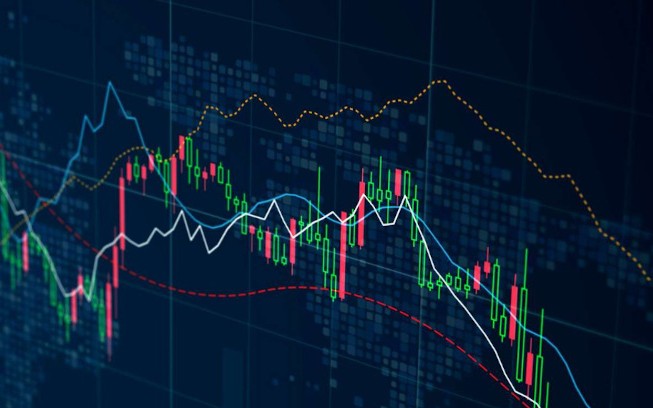
Successful forex traders often employ two primary strategies: technical analysis and fundamental analysis. Technical analysis focuses on historical price movements and patterns, often using charts and indicators to predict future trends. Common tools include moving averages, Fibonacci retracement levels, and momentum indicators.
On the other hand, fundamental analysis involves evaluating economic indicators such as GDP, unemployment rates, and inflation. These metrics have a direct impact on currency strength and are crucial for making long-term trading decisions. Economic calendars can help traders stay updated on important events that may influence market conditions.
Risk Management
One of the most critical aspects of forex trading is risk management. Without a robust risk management strategy, traders can expose themselves to substantial losses. Setting stop-loss orders, limiting the amount of capital risked on each trade, and diversifying positions are essential practices. Many successful traders use the rule of risking no more than 1% of their trading capital on a single trade to protect against unexpected market swings.
Leverage in Forex Trading
Leverage is a double-edged sword in forex trading. It allows traders to control larger amounts of currency with a relatively smaller investment. For example, with a leverage ratio of 100:1, a trader can control $10,000 with just $100. While leverage can amplify profits, it can also magnify losses. Understanding how to use leverage prudently is critical for long-term trading success.
The Importance of a Trading Plan
A well-defined trading plan is crucial for success in forex trading. It should outline your trading strategies, risk tolerance, and goals. A comprehensive plan can prevent emotional decision-making and help you stick to your strategies during volatile market conditions. This plan should also include guidelines for entering and exiting trades, as well as how to adjust your strategies based on market changes.
Choosing a Forex Broker
Selecting the right forex broker is vital. A reliable broker provides a user-friendly trading platform, competitive spreads, and solid customer support. When evaluating brokers, look for ones that are regulated by local authorities, as this generally indicates a commitment to ethical business practices. For South African traders, the brokers listed on platforms like Forex Brokers in South Africa can provide valuable insights and comparisons.
Learning and Adaptation
The forex market is dynamic and ever-evolving. Continuous learning and adaptation are essential for any trader looking to succeed long-term. Participating in webinars, reading books, and following market news can enhance your knowledge and skills. Joining online trading communities can also provide support and share strategies with other traders, enriching your trading experience.
Conclusion
In conclusion, forex currency trading offers exciting opportunities for those prepared to invest the time and effort to understand the market. By mastering technical and fundamental analysis, developing sound risk management practices, and maintaining a disciplined trading plan, traders can navigate the complexities of the forex market. Remember that successful trading is a marathon, not a sprint. With patience, continuous education, and strategic planning, you can improve your chances of achieving long-term success in forex trading.